
Why DOOH Will Be the Future of Marketing
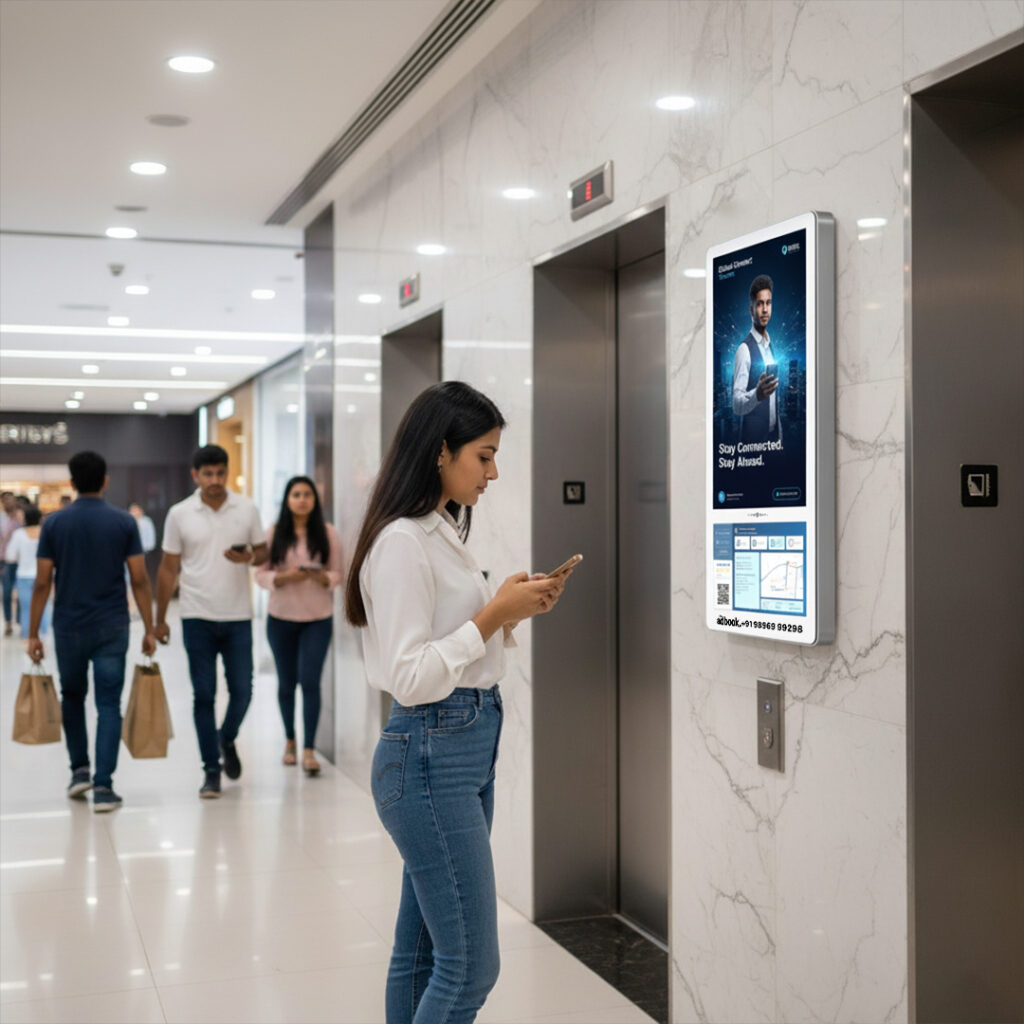
As the advertising world continues to evolve, Digital Out-of-Home advertising (DOOH) is emerging as one of the most powerful tools for modern marketers. With traditional advertising channels facing saturation and digital platforms becoming increasingly competitive, DOOH marketing offers a fresh, effective, and scalable solution that combines the impact of outdoor media with the precision of digital technology.
From digital billboards on busy highways to interactive displays in malls, airports, and public transportation hubs, The AdBook Outdoor DOOH is transforming how brands engage with consumers in real-world environments. It’s not just a trend—it’s the future of marketing.
What Is DOOH and Why Does It Matter?
DOOH advertising refers to any digital media displayed in public spaces for advertising purposes. This includes digital signage, LED displays, smart kiosks, transit screens, and more. Unlike static billboards, DOOH ads can be updated in real-time, personalized based on location or audience data, and managed programmatically for maximum efficiency.
The reason why DOOH is gaining so much attention is simple: it merges the visibility and scale of traditional out-of-home advertising with the targeting capabilities and flexibility of digital marketing.
High Impact, High Recall
One of the biggest advantages of digital out-of-home advertising is its unskippable presence. In a world where people use ad blockers and skip online ads, DOOH stands tall—literally. Whether it’s a towering LED screen in Times Square or a smart display in a shopping mall, these screens naturally draw the eye.
Studies have shown that digital billboards have a significantly higher recall rate than most traditional advertising formats. They’re bright, dynamic, and positioned in high-traffic areas where people are most likely to engage.
More importantly, they work. Consumers not only remember what they see on DOOH screens but are also more likely to take action, whether it’s visiting a store, checking out a brand online, or making a purchase.
Real-Time, Data-Driven Targeting
Unlike traditional billboards that stay the same for weeks or months, The AdBook Outdoor DOOH campaigns can be changed instantly based on real-time data. Advertisers can adjust messaging based on the time of day, weather conditions, foot traffic, or even local events.
For example, a sportswear brand could display ads for running shoes on a sunny day and switch to waterproof gear when it starts to rain. This kind of real-time, location-based advertising gives brands a competitive edge, allowing them to stay relevant and timely.
This isn’t just convenient—it’s strategic. Using data-driven DOOH advertising, brands can ensure their message is being delivered to the right audience, at the right time, in the right place.
The Rise of Programmatic DOOH
One of the biggest innovations fueling the growth of DOOH is programmatic advertising. With programmatic DOOH, advertisers can automatically buy, schedule, and manage ad placements on digital screens, similar to how they manage Google or social media ads.
This automation not only improves efficiency but also ensures that campaigns are optimized in real time based on performance metrics and audience behavior. Advertisers can easily adjust budgets, swap creatives, or pause campaigns depending on performance—all without physically accessing the screen.
In essence, programmatic digital signage allows marketers to combine the reach of outdoor advertising with the agility of digital platforms, making it one of the most cost-effective and scalable solutions in modern marketing.
Creative Flexibility That Captures Attention
The creative possibilities with DOOH are virtually endless. Brands can move beyond static images and deploy:
- Motion graphics
- Full-motion video
- Interactive touchscreens
- Live social media feeds
- Countdown timers for product launches or events
This level of dynamic content keeps campaigns fresh and allows brands to tell better stories. Consumers are far more likely to engage with a visually stimulating, real-time ad than with a static printed billboard.
Take, for example, a food delivery service displaying different menu items based on the time of day—breakfast in the morning, lunch at noon, and dinner in the evening. This kind of personalized, real-time messaging enhances relevance and boosts engagement.
Seamless Integration Across Channels
In the age of omnichannel marketing, DOOH doesn’t work in isolation. Instead, it complements digital campaigns across mobile, desktop, and social platforms. Through technologies like geofencing, brands can target consumers with mobile ads right after they’ve seen a DOOH screen nearby.
For example, someone walking past a digital billboard ad for a sneaker release might get a push notification offering 10% off if they visit the store within the next hour. This kind of cross-channel integration helps marketers guide consumers from awareness to action more effectively.
The best part? DOOH adds a physical dimension to otherwise digital strategies, creating more memorable touchpoints along the customer journey.
Better ROI and Measurement Capabilities
One of the myths about out-of-home advertising has always been the lack of measurability. That’s no longer true. With advancements in analytics and mobile tracking, the Adbook Outdoor DOOH campaigns can now provide detailed insights such as:
- Impressions and exposure time
- Demographics of the passing audience
- Foot traffic to nearby stores
- Post-ad digital behavior (e.g., app installs, website visits)
By analyzing these metrics, brands can refine their messaging, optimize their spending, and calculate the return on investment (ROI) more accurately than ever before.
This level of transparency and performance tracking puts DOOH on par with digital channels, making it a must-have in any marketing mix.
Eco-Friendly and Future-Ready
As sustainability becomes a key concern for brands and consumers, DOOH offers a greener alternative to traditional print-based advertising. Digital screens reduce the need for paper, ink, and manual labor, and many are powered by energy-efficient LEDs or renewable energy sources.
Moreover, as cities become smarter and more connected, DOOH infrastructure is evolving with them. Integrated with sensors, AI, and the Internet of Things (IoT), future-ready digital displays will offer even more personalization and interaction possibilities.
Rapid Market Growth and Adoption
The global DOOH market is projected to reach $50 billion by 2030, fueled by advancements in connectivity, automation, and smart city development. More and more businesses—from small local shops to global enterprises—are investing in digital out-of-home advertising to stay competitive.
With media buyers increasingly shifting budgets toward high-impact digital formats, DOOH is no longer a niche—it’s becoming the standard.
Conclusion: DOOH Is Not Just the Future—It’s the Now
As consumer behavior evolves and digital fatigue grows, marketers need more engaging, visible, and contextual ways to reach their audiences. The AdBook Outdoor DOOH advertising answers that need perfectly.
It’s measurable. It’s dynamic. It’s scalable. And it blends the best of traditional and digital media into one high-performing channel. Whether you’re looking to boost brand awareness, drive foot traffic, or launch a new product, digital out-of-home marketing provides the tools and reach you need.
In a world where attention is the most valuable currency, DOOH is the future of marketing—and the smartest brands are already embracing it.